Japanese Kanji Handwriting Practice: A Practical Guide
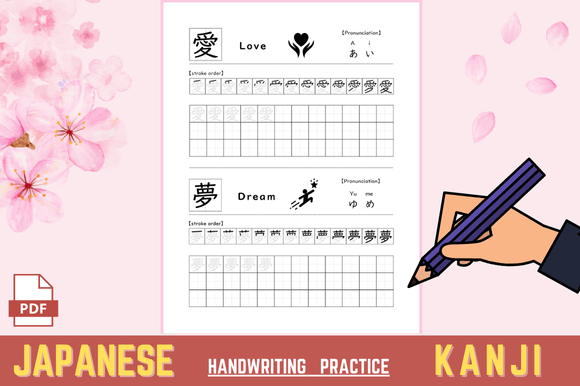
Japanese Kanji Handwriting Practice is a method designed to help learners master the art of writing Japanese characters by focusing on correct stroke order and form. This practice involves using printable worksheets or digital files that guide users through the process of writing each kanji character step-by-step. It is particularly useful for those who want to improve their handwriting skills, enhance memory retention, and gain a deeper understanding of the structure of kanji.
Why Consider Japanese Kanji Handwriting Practice?
For individuals learning Japanese, especially at the intermediate or advanced level, Japanese Kanji Handwriting Practice offers several advantages. One of the primary reasons people turn to this method is to reinforce the proper formation of kanji. Writing each character repeatedly helps solidify muscle memory, making it easier to recall and write them correctly in real-life situations.
Additionally, practicing kanji by hand can significantly improve retention. Studies have shown that engaging multiple senses—such as visual and kinesthetic—during learning enhances memory retention. By physically writing characters, learners are more likely to remember how they look and sound, which is crucial for fluency in reading and writing Japanese.
Another compelling reason to consider Japanese Kanji Handwriting Practice is its accessibility. Many resources are available online, including downloadable PDF files that include two pages of practice sheets, one blank sheet, and detailed stroke order guides. These materials are typically formatted for standard 8.5×11 inch paper, making them easy to print and use at home or in a classroom setting.
Benefits and Considerations
The benefits of Japanese Kanji Handwriting Practice extend beyond just improving handwriting. Regular practice can lead to increased confidence in writing, better recognition of characters, and improved overall language proficiency. For students preparing for exams like the JLPT (Japanese Language Proficiency Test), consistent practice with stroke order can be a valuable tool in mastering the required vocabulary.
However, there are also some considerations to keep in mind. While handwriting practice is effective, it may not be the most efficient method for everyone. Some learners might find it time-consuming or prefer digital alternatives such as apps or interactive platforms that offer instant feedback. Additionally, the effectiveness of this method depends on consistency and dedication; without regular practice, the benefits may not be fully realized.
It's also important to note that Japanese Kanji Handwriting Practice is best suited for those who enjoy a tactile learning experience. If you're someone who learns better through visual aids or auditory methods, you may want to explore complementary tools or resources that cater to your preferred learning style.
When Is This Practice a Strong Fit?
Japanese Kanji Handwriting Practice is particularly strong when used as part of a structured language learning plan. It works well for learners who are already familiar with basic kanji and are looking to expand their vocabulary and improve their writing skills. It is especially beneficial for those who plan to use Japanese in professional or academic settings where accurate writing is essential.
Additionally, this practice is ideal for individuals who prefer a hands-on approach to learning. Whether you're a student, a teacher, or a self-learner, having access to printable worksheets and digital files makes it easy to integrate into your daily study routine. The inclusion of stroke order guides ensures that even beginners can practice effectively and avoid common mistakes.
Alternatives to Consider
While Japanese Kanji Handwriting Practice is an excellent resource, it's worth considering alternative methods depending on your goals and preferences. Digital tools such as kanji apps, online flashcards, and interactive games can provide a more dynamic learning experience. These platforms often offer features like pronunciation guides, quizzes, and progress tracking, which can complement traditional handwriting practice.
For those who prefer a more immersive experience, visiting a language school or working with a tutor can provide personalized guidance and immediate feedback. These options may be more expensive or require more time commitment, but they can be highly effective for learners who need structured support.
Practical Insights for Decision-Making
If you're deciding whether to incorporate Japanese Kanji Handwriting Practice into your learning routine, consider your current skill level, learning goals, and available resources. If you're looking for a cost-effective and flexible option, printable PDFs are a great choice. They allow you to practice at your own pace and revisit materials as needed.
It's also important to set realistic expectations. Like any skill, mastery of kanji requires time and effort. Set aside dedicated time each day or week for practice, and track your progress to stay motivated. Remember that consistency is key to seeing long-term improvements in your ability to write and recognize kanji.
In conclusion, Japanese Kanji Handwriting Practice offers a practical and effective way to enhance your knowledge of Japanese characters. Whether you're a student, a professional, or a language enthusiast, this method can be a valuable addition to your learning journey. By choosing the right resources and maintaining a consistent practice routine, you can achieve your language goals and gain confidence in your writing abilities.