Summer Workbook for Kids: A Strategic Tool for Learning, Growth, and Fun
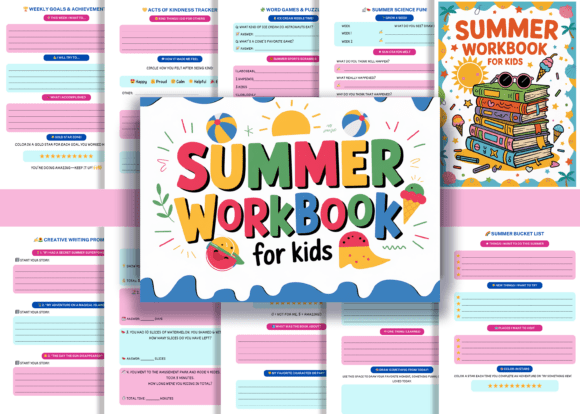
The Summer Workbook for Kids is more than just a collection of activities—it’s a comprehensive resource designed to keep children engaged, learning, and growing throughout the summer months. With its 120-page printable PDF format, this workbook offers a structured yet flexible approach to maintaining educational momentum during school breaks. For parents, educators, and caregivers, it serves as a valuable tool to support child development while also aligning with broader goals related to learning continuity, creativity, and personal growth.
Why Strategic Use of the Summer Workbook for Kids Matters
Summer break can be a double-edged sword. While it provides much-needed rest and playtime, it also presents a challenge: the risk of academic regression. The Summer Workbook for Kids addresses this by offering a blend of educational and recreational activities that keep young minds active. Its strategic design ensures that learning doesn’t stop when school does, helping children retain skills and develop new ones in a fun and engaging way.
For adults, the workbook’s value extends beyond the child. It supports family bonding, encourages shared learning experiences, and even helps caregivers maintain their own sense of purpose through meaningful engagement with their children. By integrating educational goals with creative exploration, the Summer Workbook for Kids becomes a versatile tool that aligns with both personal and professional aspirations.
Key Features That Support Strategic Planning and Execution
The Summer Workbook for Kids is meticulously crafted with features that cater to different aspects of child development and family planning. Let’s explore how each component contributes to a well-rounded strategy:
- Summer Bucket List: This feature allows kids to set and track goals, fostering a sense of responsibility and accomplishment. For parents, it’s an opportunity to engage in goal-setting conversations and encourage self-reflection.
- Reading Log Book Reviews: Promoting daily reading habits not only enhances literacy but also builds critical thinking skills. Parents can use these pages to guide discussions and deepen comprehension.
- Math Challenges: These themed problems keep math skills sharp without feeling like a chore. They are especially useful for reinforcing concepts learned in school or introducing new topics in a playful context.
- Creative Writing Prompts: Encouraging imaginative writing helps children express themselves and develop storytelling abilities. It also provides a natural outlet for emotional expression and creativity.
- Summer Science Fun: Hands-on experiments and bug hunts make science accessible and exciting. These activities promote curiosity and scientific thinking, laying the groundwork for future learning.
- Word Games Puzzles: Riddles, scrambles, and crosswords offer mental stimulation and reinforce language skills. They are perfect for short bursts of activity or as a reward for completing other tasks.
- Acts of Kindness Tracker: Teaching empathy and kindness through simple actions helps build character and social awareness. It also fosters a positive environment at home and in the community.
- Weekly Goals Achievements: Celebrating progress with gold stars reinforces motivation and a sense of achievement. This feature is particularly effective in promoting long-term commitment to learning and growth.
- Summer Memories Scrapbook: Capturing special moments helps children reflect on their experiences and create lasting memories. It also encourages storytelling and visual learning.
- Daily Journal Pages: These provide a space for reflection, tracking learning, and drawing about the day. They help children develop mindfulness and a habit of documenting their thoughts and experiences.
When and How to Use the Summer Workbook for Kids Intentionally
The Summer Workbook for Kids is most effective when used with intention. Rather than treating it as a random collection of activities, consider integrating it into your summer planning process. Start by identifying your child’s interests, learning goals, and areas where they may need extra support. Then, select activities that align with these priorities.
For example, if your child enjoys science, focus on the Summer Science Fun section. If you want to foster a love for reading, prioritize the Reading Log Book Reviews. By tailoring the workbook to your child’s needs, you ensure that the activities are relevant and engaging, which increases the likelihood of sustained participation.
Additionally, the workbook can be used as part of a larger family plan. Set aside specific times each week for workbook activities, and treat them as part of your routine. This helps establish consistency and makes learning feel like a natural extension of daily life.
Strategic Observations and Practical Examples
One of the strengths of the Summer Workbook for Kids is its adaptability. It can be used in various settings, whether at home, in a classroom, or during family trips. For instance, during a weekend visit to a nature reserve, the Summer Science Fun section could be used to identify plants and insects, turning a simple outing into an educational experience.
Another practical application is using the Acts of Kindness Tracker to teach values such as generosity and empathy. By encouraging small acts of kindness—like helping a neighbor or sharing toys—children learn to see the world from others’ perspectives and develop a stronger moral compass.
Moreover, the Summer Bucket List can serve as a planning tool for families. Setting goals like visiting a local museum or learning a new skill together not only keeps children engaged but also strengthens family bonds. Tracking progress with color-in star charts adds a visual element that motivates continued effort.
Risks of Using the Workbook Without Clear Goals
While the Summer Workbook for Kids is a powerful resource, it’s important to use it intentionally. Without clear goals, the activities may become scattered and less impactful. Children might lose interest if the content doesn’t align with their interests or developmental stage.
Furthermore, relying solely on the workbook without incorporating real-world experiences can limit the depth of learning. Activities like hands-on experiments or outdoor exploration provide opportunities for experiential learning that cannot be replicated through worksheets alone. Combining workbook activities with real-life applications ensures a more holistic educational experience.
Additionally, failing to involve the child in the planning process can lead to disengagement. When children have a say in what they do, they are more likely to take ownership of their learning and stay motivated throughout the summer.
Long-Term Value and Strategic Thinking
The Summer Workbook for Kids is not just a seasonal tool; it’s a strategic investment in a child’s future. By fostering a love for learning, creativity, and self-reflection, it lays the foundation for lifelong skills. These include critical thinking, problem-solving, and emotional intelligence—all of which are essential for success in both personal and professional life.
For educators and parents, the workbook also offers insights into how to structure learning experiences that are both enjoyable and effective. It demonstrates the power of combining education with play, showing that learning doesn’t have to be confined to traditional settings.
Ultimately, the Summer Workbook for Kids is a testament to the idea that learning can be both meaningful and joyful. By using it strategically, you empower your child to grow, explore, and thrive—not just this summer, but throughout their life.