Trauma Therapy Workbook: A Tool for Healing and Growth
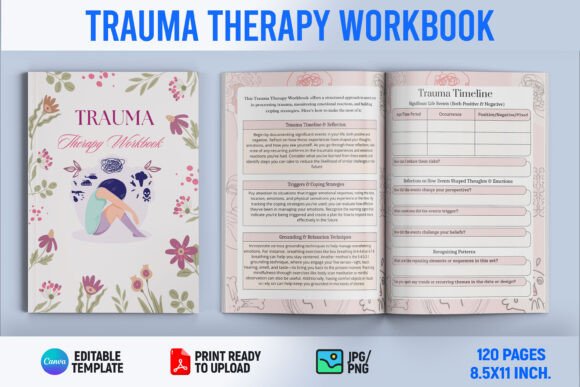
The Trauma Therapy Workbook is a comprehensive, professionally designed resource that supports individuals and mental health professionals in the journey of healing from trauma. This workbook is more than just a collection of pages—it's a structured guide that combines therapeutic techniques with actionable exercises to help users navigate emotional challenges and build resilience. Whether you're a licensed therapist looking for a customizable tool or someone on your own path to recovery, this workbook offers a safe and supportive environment for self-exploration and growth.
What Makes the Trauma Therapy Workbook Unique
Unlike generic self-help books, the Trauma Therapy Workbook is built around key therapeutic concepts such as emotional regulation, mindfulness, coping strategies, and self-reflection. Each page is crafted with intention, offering a blend of reflective practices and practical steps that can be adapted to suit individual needs. The workbook includes 15 custom pages of worksheets, which are not only ready-to-use but also editable via Canva, making it highly versatile for both professionals and personal use.
This flexibility allows users to tailor the content to their specific therapeutic goals. For instance, a therapist might modify journal prompts to align with a client’s unique experiences, while an individual may adjust exercises to better fit their personal healing process. The inclusion of a 125-page PDF and PNG file ensures that the workbook is accessible in multiple formats, whether printed, shared digitally, or used within a digital workspace.
Where Does the Trauma Therapy Workbook Fit Into a Broader Process?
The Trauma Therapy Workbook is most effective when integrated into a broader healing or personal development workflow. It serves as a foundational tool that can be used before, during, or after a variety of processes—such as therapy sessions, creative projects, learning activities, or even daily routines. Its structured format makes it ideal for supporting long-term goals, whether they involve emotional healing, skill-building, or self-awareness.
For example, a professional working through a difficult life transition might use the workbook as part of their preparation phase. Journaling prompts and reflection exercises can help them process emotions, identify triggers, and develop coping mechanisms before diving into more intensive therapeutic work. During a project or task, the workbook can act as a reference point, helping maintain emotional balance and clarity. After completing a goal or milestone, it can serve as a tool for reflection and future planning.
How to Use the Trauma Therapy Workbook in Different Contexts
The Trauma Therapy Workbook is designed to be adaptable, so its application can vary depending on the user’s needs and context. Here are a few examples of how it can be used:
- Before a Project: Use the workbook to prepare emotionally for a challenging task or decision. Exercises like “Emotional Check-In” and “Goal Setting” can help establish a clear mindset and reduce anxiety.
- During a Creative Process: Incorporate mindfulness and self-reflection exercises to stay grounded and focused while working through creative blocks or emotional turbulence.
- After a Therapeutic Session: Utilize the workbook as a follow-up tool to reinforce what was discussed in therapy and track progress over time.
- As Part of a Learning Activity: Integrate journal prompts and cognitive restructuring exercises to support deeper understanding and retention of new information.
- In Daily Life: Use the workbook as a daily practice to cultivate emotional awareness, manage stress, and build long-term resilience.
These use cases demonstrate how the Trauma Therapy Workbook can seamlessly integrate into various workflows, providing consistent support across different stages of personal or professional development.
Integrating the Workbook with Other Tools and Resources
The Trauma Therapy Workbook is not meant to be used in isolation. It works best when combined with other therapeutic tools, resources, and methods. For instance, it can complement traditional therapy by offering additional exercises and reflections that can be done between sessions. It can also be paired with mindfulness apps, meditation guides, or even digital platforms like Canva for further customization.
Professionals may find it useful to integrate the workbook with existing treatment plans or evidence-based practices such as CBT (Cognitive Behavioral Therapy) or EMDR (Eye Movement Desensitization and Reprocessing). Individuals may choose to use it alongside support groups, counseling, or self-help literature to create a well-rounded approach to healing.
One important consideration is compatibility. Since the workbook is available in both printable and editable formats, it can be easily incorporated into digital workflows, project management systems, or personal organization tools. This adaptability ensures that the workbook remains a valuable asset regardless of the user’s preferred method of working.
Practical Tips for Implementation
To get the most out of the Trauma Therapy Workbook, consider the following implementation tips:
- Set Clear Intentions: Before starting, define your goals and what you hope to achieve with the workbook. This will help you stay focused and motivated throughout the process.
- Create a Routine: Incorporate the workbook into your daily or weekly routine. Consistency is key to making meaningful progress.
- Customize as Needed: Don’t hesitate to modify the content to better suit your needs. The editable nature of the workbook makes this easy and flexible.
- Track Your Progress: Use the workbook to document your thoughts, feelings, and insights over time. This can help you identify patterns and measure your growth.
- Stay Open-Minded: Healing is a nonlinear process, and it’s important to remain patient and open to change. The workbook is designed to support this journey, not dictate it.
By following these tips, users can ensure that the Trauma Therapy Workbook becomes a meaningful and effective part of their healing process.
Conclusion
The Trauma Therapy Workbook is more than just a tool—it’s a companion for those navigating the complex landscape of trauma and healing. Its thoughtful design, adaptability, and focus on emotional well-being make it a valuable asset for both professionals and individuals. Whether used as part of a larger therapeutic plan or as a standalone resource, the workbook provides a structured yet flexible approach to self-care and growth.
With its combination of reflective exercises, actionable steps, and customizable features, the Trauma Therapy Workbook is well-suited for integration into various workflows and personal routines. By understanding how to use it effectively and thoughtfully, users can unlock its full potential and take meaningful steps toward healing and resilience.